The olive is a small tree of the Oleaceae family. It was traditionally found in the Mediterranean Basin. The species is cultivated in all the countries of the Mediterranean, as well as in Australia, New Zealand, North and South America and South Africa. Olea europaea is the type species for the genus Olea.
The olive’s fruit, also called an “olive”, is of major agricultural importance in the Mediterranean region as the source of olive oil; it is one of the core ingredients in Mediterranean cuisine. The name of the tree and its fruit is derived from the plant family that also includes species like jasmine, Forsythia and true ash trees ( Fraxinus).

Contents
- 1 Description
- 2 Cultivation
- 3 Uses
- 4 Taxonomy
- 5 Products
- 5.1 Japanese Bonsai Tree Printed Protective Case Cover Compatible with Switch Game Console Controller with Holder Stand
- 5.2 Bonsai Tree Japanese Rising Sun Printed Protective Case Cover Compatible with Switch Game Console Controller with Holder Stand
- 5.3 Hula Home Continuous Spray Bottle for Hair (10.1oz/300ml) Mist Empty Ultra Fine Plastic Water Sprayer – For Hairstyling, Cleaning, Salons, Plants, Essential Oil Scents & More - White
- 5.4 Bontip Glass Spray Bottle, Amber Bottle Set & Accessories for Non-toxic Window Cleaners Aromatherapy Facial Hydration Watering Flowers Hair Care (2 Pack/16oz) (Amber)
- 5.5 Timberland Men's Soundview Cotton Canvas Baseball Hat, Wheat, One Size
- 5.6 Thread Wallets Slim Minimalist Elastic Wallet for Men & Women | Small Credit Card Holder for Front Pocket (Bonsai, One Size)
- 5.7 MEIPO Continuous Spray Bottle for Hair Reusable Beauty Spray Bottle Mist Sprayer For Clean Plant Styling Tools & Appliances (1Pcs Clear 10oz)
- 5.8 Japanese Samurai Culture Scenery Vintage Sakura Cherry T-Shirt
- 5.9 Funny Tshirt gag gift for someone who already has everything T-Shirt
- 5.10 Retro Full Moon & Minimalist Pine Tree Vintage Graphic T-Shirt
Description
The olive tree, Olea europaea, is an evergreen tree or shrub native to Mediterranean Europe, Asia, and Africa. It’s small and compact and can reach heights of 8-15m (26-49ft). ‘Pisciottana’, a unique variety comprising 40,000 trees found only in the area around Pisciotta in the Campania region of southern Italy, often exceeds this, with correspondingly large trunk diameters. Silvery green leaves are oval in shape and measure 4-10 cm (1.6-1.39 in) in length. They also measure 1-3 cm (0.39-1.18in) in width. The trunk is usually gnarled and twisted.
The small, white, feathery flowers, with ten-cleft calyx and corolla, two stamens, and bifid stigma, are borne generally on the previous year’s wood, in racemes springing from the axils of the leaves.
The fruit is small, drupe-like and 1-2.5 cm (1.39-1.98 in) in length when ripe. It is also thinner-fleshed in wild plants than orchard cultivars. The green-to-purple stage is when olives are harvested. Canned black olives have often been artificially blackened (see below on processing) and may contain the chemical ferrous gluconate to improve the appearance. Olea europaea contains a seed commonly referred to in American English as a “pit”, and in British English as a “stone”.
Cultivation
The earliest evidence for the domestication of olives comes from the Chalcolithic period archaeological site of Teleilat el Ghassul in what is today modern Jordan. Farmers in ancient times believed that olive trees would not grow well if planted more than a certain distance from the sea; Theophrastus gives 300 stadia (55.6 km or 34.5 mi) as the limit. Modern experience does not always confirm this, and, though showing a preference for the coast, they have long been grown further inland in some areas with suitable climates, particularly in the southwestern Mediterranean (Iberia, northwest Africa) where winters are mild. An article on Olive tree cultivation in Spain is brought down in Ibn al-‘Awwam’s 12th-century agricultural work, Book on Agriculture.
Olives are cultivated in many regions of the world with Mediterranean climates, such as South Africa, Chile, Peru, Australia, Oregon, and California, and in areas with temperate climates such as New Zealand.[citation needed] They are also grown in the Cordoba Province, Argentina, which has a temperate climate with rainy summers and dry winters.
Growth and propagation
Olive trees show a marked preference for calcareous soils, flourishing best on limestone slopes and crags, and coastal climate conditions. They grow in any light soil, even on clay if well drained, but in rich soils, they are predisposed to disease and produce poorer oil than in poorer soil. (This was noted by Pliny the Elder.) Olives love heat and sun, so temperatures below -10 degrees Celsius (14 degrees Fahrenheit) can cause injury to mature trees. They tolerate drought well, due to their sturdy and extensive root systems. Olive trees can live for several centuries and can remain productive for as long if they are pruned correctly and regularly.
Cross-pollinating olive varieties is possible only with a few olive varieties. Although ‘Pendolino” olive trees are partly self-fertile but require pollenizers for large fruit crops, they are still partially self-fertile. Other compatible olive tree pollinators include ‘Leccino’ and ‘Maurino’. ‘Pendolino’ olive trees are used extensively as pollinizers in large olive tree groves.
There are many ways to propagate olives. The preferred ways are cuttings and layers; the tree roots easily in favourable soil and throws up suckers from the stump when cut down. However, yields from trees grown from suckers or seeds are poor; they must be budded or grafted onto other specimens to do well. Branches of various thickness cut into lengths around 1 m (3.3 ft) planted deeply in manured ground soon vegetate. Sometimes, shorter pieces are laid horizontally in shallow trenches. When covered with soil, they quickly produce sucker-like shoots. Grafting the wild tree onto the cultivated tree in Greece is a popular practice. It is common to remove embryonic buds from the stems and place them under the soil. They soon develop a vigorous shoot.
The olive is also sometimes grown from seed. The oily pericarp must be softened first by mild rotting or soaked in hot or alkaline water to facilitate germination.
In situations where extreme cold has damaged or killed the olive tree, the rootstock can survive and produce new shoots which in turn become new trees. Olive trees can then regenerate themselves by doing this. A severe frost in 1985 destroyed olive trees in Tuscany. It also destroyed many of the older, productive trees. This was a devastating event that cost many farmers their livelihoods. New shoots emerged in spring, and once the dead wood was removed, they became the foundation for new fruit-producing trees. In this way, an olive tree can live for centuries or even millennia.
Olives are slow to grow and can reach a significant diameter over time. A. P. de Candolle recorded one exceeding 10 m (33 ft) in girth. Trees rarely reach 15 m (49 feet) in height and are usually kept to a smaller size by frequent pruning.
Olea europaea is very hardy: drought-, disease- and fire-resistant, it can live to a great age. The tree’s root system is strong and can regenerate itself even after the structure above it is destroyed. The older the olive tree, the broader and more gnarled the trunk becomes. The olive trees that grow in the Mediterranean groves are believed to be hundreds of year old. However, a few trees claim an age of up to 2,000 years. In some cases, this is scientifically supported. Refer to the paragraph on this topic.
The crop from old trees is sometimes enormous, but they seldom bear well two years in succession, and in many cases, a large harvest occurs every sixth or seventh season.
The trees need to be regularly pruned in areas where the olive tree is well-tended, such as Languedoc or Provence. The pruning preserves the flower-bearing shoots of the preceding year, while keeping the tree low enough to allow the easy gathering of the fruit.
The spaces between the trees are regularly fertilized.
Pests, diseases, and weather
Various pathologies can affect olives. The most serious pest is the olive fruit fly (Dacus oleae or Bactrocera oleae) which lays its eggs in the olive most commonly just before it becomes ripe in the autumn. The area around the puncture turns brown and gives off a bitter taste that makes the olive unfit to be eaten or used for oil. The practice of spraying with insecticides (organophosphates) has been used to control the pest. dimethoate). The classic organic methods of trapping, application of the bacterium Bacillus Thauriiensis and spraying with Kaolin have been used. These methods are mandatory for organic olives.
A fungus, Cycloconium oleaginum, can infect the trees for several successive seasons, causing great damage to plantations. Pseudomonas sapastanoi is pv. oleae, induces tumour growth in the shoots. Some lepidopterous caterpillars eat the flowers and leaves.
Xylella fastidiosa bacteria, which can also infect citrus fruit and vines, has attacked olive trees in Apulia (Puglia), southern Italy causing the olive quick decline syndrome (OQDS). The main vector is Philaenus spumarius (meadow spittlebug).
The black scale bug is a pest that spreads through olive trees. It is a small, black-scale insect that looks like a small, black spot. They attach themselves firmly to olive trees and reduce the quality of the fruit; their main predators are wasps. Curculio beetles eat the leaves’ edges, causing sawtooth damage.
Rabbits can eat the olive tree bark and cause severe damage to young trees. If the bark is removed around the entire circumference of a tree, it is likely to die. Voles and mice also do damage by eating the roots of olives.
Olive trees can occasionally get frostbite at the northern edges of their cultivation zones, such as in south-central Italy and southern France. Damage can also be caused by gales and prolonged, continuous rains during the gathering season.
As an invasive species
Since its first domestication, O. europaea has been spreading back to the wild from planted groves. The original wild populations of O. europaea in southern Europe have been greatly displaced by feral plants.
In some other parts of the world where it has been introduced, most notably South Australia, the olive has become a major woody weed that displaces native vegetation. Its seeds are introduced into South Australia by the red fox, and many bird species including the European starling, and the native emu. They germinate in woodlands and form dense canopy, which prevents the regeneration of native trees. As the climate of South Australia is very dry and bushfire prone, the oil-rich feral olive tree substantially increases the fire hazard of native sclerophyll woodlands.
Harvest and processing
Olives are harvested in the autumn and winter. Green olives are harvested in the Northern Hemisphere from September to November. Blond olives are picked from the middle of October to the end of November, and black olives are collected from the middle of November to the end of January or early February. Harvesting in southern Europe takes place over several weeks during winter. However, the exact time depends on the country and the cultivar.
Today, most olives are harvested by shaking the entire tree or its boughs. Poor quality olive oil can be produced if the olives are left on the ground. Another way is to stand on a ladder, “milk” the olives and tie a bag around the waist of the harvester. This produces high-quality oil. An oli-net, which wraps around the tree trunk to create an umbrella-shaped catcher that workers can collect the fruit from, is another method. The oliviera is another electric tool that removes fruit from trees. It has large tongs and spins quickly. Olives harvested by this method are used for oil.
The harvesting of table olive varieties is more difficult because workers have to be careful not to damage the fruit. To this end, baskets that hang around the neck of workers are used. Olives can only be harvested manually in some areas of Italy, Croatia, and Greece because the terrain is too rugged for machines. The fruit is therefore not bruised and produces a better product. The method also involves sawing off branches, which is healthy for future production.
Each cultivar has a different amount of oil in their fruit. The pericarp usually contains 60-70% oil. The average yield per tree is 1.5-2.25 kg (3.3-4.9lb) of oil.
Olives are processed by drying, curing, fermentation, or drying to make them edible. Olives are treated with salt brine and lye to remove bitter oleuropein compounds. Olives are fermented by yeast and the brine allows bacteria to add flavor and act as a natural preservative by lowering the pH from other bacteria that would lead to spoilage.
Uses
The olive tree, Olea europaea, has been cultivated for olive oil, fine wood, olive leaf, ornamental reasons, and the olive fruit. Around 90% of all olives harvested are made into oil and 10% are used for table olives. The olive is one of the “trinity” or “triad” of basic ingredients in Mediterranean cuisine, the other two being wheat for bread, pasta, and couscous, and the grape for wine.
Table olives
Table olives are classified by the IOC into three groups according to the degree of ripeness achieved before harvesting:
Traditional fermentation and curing
Raw or fresh olives are naturally very bitter; to make them palatable, olives must be cured and fermented, thereby removing oleuropein, a bitter phenolic compound that can reach levels of 14% of dry matter in young olives. In addition to oleuropein, other phenolic compounds render freshly picked olives unpalatable and must also be removed or lowered in quantity through curing and fermentation. Generally speaking, phenolics reach their peak in young fruit and are converted as the fruit matures. Once ripening occurs, the levels of phenolics sharply decline through their conversion to other organic products which render some cultivars edible immediately. One example of an edible olive native to the island of Thasos is the throubes black olive, which when allowed to ripen in the sun, shrivel, and fall from the tree, is then edible.
The curing process may take from a few days, with lye, to a few months with brine or salt packing. With the exception of California style and salt-cured olives, all methods of curing involve a major fermentation involving bacteria and yeast that is of equal importance to the final table olive product. Traditional cures, using the natural microflora on the fruit to induce fermentation, lead to two important outcomes: the leaching out and breakdown of oleuropein and other unpalatable phenolic compounds, and the generation of favourable metabolites from bacteria and yeast, such as organic acids, probiotics, glycerol, and esters, which affect the sensory properties of the final table olives. Mixed bacterial/yeast olive fermentations may have probiotic qualities. Lactic acid is the most important metabolite, as it lowers the pH, acting as a natural preservative against the growth of unwanted pathogenic species. The result is table olives which can be stored without refrigeration. Fermentations that are dominated by lactic acids bacteria are therefore the best method for curing olives. Yeast-dominated fermentations produce a different suite of metabolites which provide poorer preservation, so they are corrected with an acid such as citric acid in the final processing stage to provide microbial stability.
There are many ways to prepare table olives. It all depends on the local traditions and tastes. Below are the most prominent commercial examples.
Lebanese Type or Phenician : Apply to green, semi-ripe, or mature olives. After olives have been soaked in salt water for 24 to 48 hours, they are then dried. To speed up the fermentation process, they are lightly crushed with a rock. The olives can be stored in a container with salt, fresh lemon juice and lemon peels, as well as olive leaves and rosemary, for up to one year. White vinegar and olive oil may be used in some recipes.
Spanish, or Sevillian type: This method is used most often to prepare green olives. Around 60% of the world’s table-quality olives are made using this method. To hydrolyse the olives, they are left to soak in lye (diluted NaOH, 2-4%) for between 8 and 10 hours. They are usually considered “treated” when the lye has penetrated two-thirds of the way into the fruit. They are then washed once or several times in water to remove the caustic solution and transferred to fermenting vessels full of brine at typical concentrations of 8-12% NaCl. The brine is changed on a regular basis to help remove the phenolic compounds. The natural microbiota that is present on olives that have survived the lye treatment can ferment them. There are many organisms involved. This is usually due to the “Terroir”, or local conditions of the olives. During typical fermentation, gram-negative bacteria flourishes in small quantities at first but is quickly outgrown by lactic acids bacteria species like Leuconostoc mysenteroides and Lactobacillus plantarum, Pediococcus damnosus. This bacteria produces lactic acid which helps lower the pH and stabilizes the product against pathogenic organisms. A diversity of yeasts then accumulate in sufficient numbers to help complete the fermentation alongside the lactic acid bacteria. Yeasts commonly mentioned include the teleomorphs Pichia anomala, Pichia membranifaciens, Debaryomyces hansenii and Kluyveromyces marxianus. After fermentation, the olives can be placed in fresh brine, and then acid corrected to make them ready for sale.
Sicilian, or Greek type: These olives are applied to green, semi-ripe, and ripe olives. The lye treatment is skipped and the olives placed in brine vessels (8-12% NaCl) instead. The brine is changed on a regular basis to help remove the phenolic compounds. As the caustic treatment is avoided, lactic acid bacteria are only present in similar numbers to yeast and appear to be outdone by the abundant yeasts found on untreated olives. As very little acid is produced by the yeast fermentation, lactic, acetic, or citric acid is often added to the fermentation stage to stabilize the process.
Picholine or directly-brined type (olives with fermentation): Applied to green, semi-ripe, or ripe olives, they are soaked in lye typically for longer periods than Spanish style (e.g. 10-72 hours) until the solution has penetrated three-quarters of the way into the fruit. The solution is then dissolved in water and the fruit is immediately washed. Fermentation still occurs carried out by acidogenic yeast and bacteria, but is more subdued than other methods. The brine is changed on a regular basis to help remove the phenolic compounds and a series of progressively stronger concentrations of salt are added until the product is fully stabilized and ready to be eaten.
Water-cured: These are olives that have undergone fermentation. They are then soaked in water for between 10-14 days. The oleuropein is naturally dissolved and leached into the water and removed during a continual soak-wash cycle. Fermentation occurs during water treatment and involves a mix yeast/bacteria ecosystem. Sometimes, the olives are lightly cracked with a hammer or a stone to trigger fermentation and speed up the fermentation process. Once debittered, the olives are brined to concentrations of 8-12% NaCl and acid corrected, and are then ready to eat.
Salt-cured: These are olives that have undergone minor fermentation and can be applied only to ripe olives. They are typically produced in Turkey, Morocco, and other eastern Mediterranean nations. Once picked, the olives are vigorously washed and packed in alternating layers with salt. Salt’s high salt content dehydrates olives and shrinks them to the point that they look like a raisin. The most halophilic yeast species, such as Debaryomyces, can initiate fermentation once the salt has been added to the olives. They can be sold as-is once they have been cured. So-called oil-cured olives are cured in salt, and then soaked in oil.
California, or “artificial fermentation” type: These are applied to semi-ripe and green olives. They are then soaked in lye. Upon their removal, they are washed in water injected with compressed air. This process is repeated several times until both oxygen and lye have soaked through to the pit. Repeated, prolonged exposure to air causes the skin and flesh to oxidize, which turns the fruit black. This artificial process mimics natural ripening. Once fully oxidised or “blackened”, they are brined and acid corrected and are then ready for eating.
Olive wood
Olive wood is very hard and is prized for its durability, colour, high combustion temperature, and interesting grain patterns. Because of the commercial importance of the fruit, and the slow growth and relatively small size of the tree, olive wood and its products are relatively expensive. The wood is used in a variety of ways, including as kitchen utensils, carved wooden boxes, cutting boards, furniture and decorative items.
The yellow or light greenish-brown wood is often finely veined with a darker tint; being very hard and close-grained, it is valued by woodworkers.
Ornamental uses
In modern landscape design olive trees are frequently used as ornamental features for their distinctively gnarled trunks and “evergreen” silvery gray foliage.
Taxonomy
The six natural subspecies of Olea europaea are distributed over a wide range:
The subspecies O. e. cerasiformis is tetraploid, and O. e. maroccana is hexaploid.
Sometimes wild-growing olives are treated as species Olea Oleaster.
These trees, also known as “white” or “black” olives in Southeast Asia, are actually Canarium.
Cultivars
Hundreds of cultivars of the olive tree are known. An olive’s cultivar has a significant impact on its color, size, shape, and growth characteristics, as well as the qualities of olive oil. Olive cultivars may be used primarily for oil, eating, or both. Olives cultivated for consumption are generally referred to as “table olives”.
Since many olive cultivars are self-sterile or nearly so, they are generally planted in pairs with a single primary cultivar and a secondary cultivar selected for its ability to fertilize the primary one. Recent efforts have focused on hybrid cultivars that offer farmers traits such as quick growth, resistance to diseases, and larger or better-quality crops.
Products
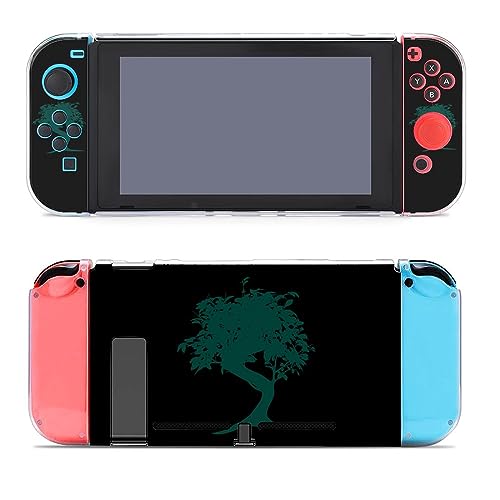
Japanese Bonsai Tree Printed Protective Case Cover Compatible with Switch Game Console Controller with Holder Stand
- Material:The custom game protective case is made of PC material,which is durable,lightweight,portable and practical,can be use long time.
- Design:This funny switch protective case with printed design on the back of the case is beautiful and durable.And which is relatively thin and light, will not add extra weight to the hand, and it is easy to dock the base.
- Easy to Install: This printed protective case is made of a specially designed flexible PC material,which allows it to be easily taken on/off,can access to all the controls and features without taking your switch out of the case.
- All Around Protection: The game protective case gives full protection for the console and controller, perfectly protects your device from everyday bumps, drops, falls, scratches, dust, and fingerprints.
- Ideal Gift:The game machine protective cover easy to grip and comfortable,it is a preferred gift for Valentine's Day,anniversaries, birthdays,Father's Day,Christmas to your family,friends and more.
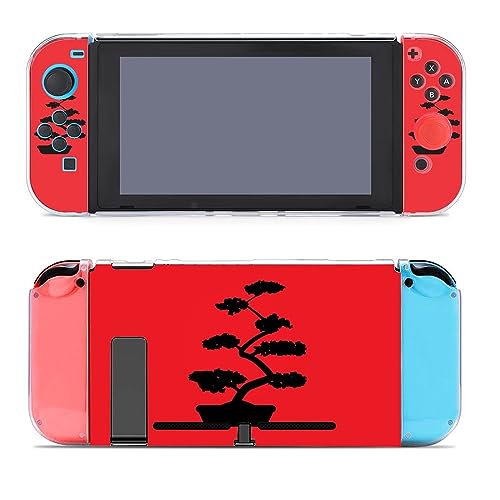
Bonsai Tree Japanese Rising Sun Printed Protective Case Cover Compatible with Switch Game Console Controller with Holder Stand
- Material:The custom game protective case is made of PC material,which is durable,lightweight,portable and practical,can be use long time.
- Design:This funny switch protective case with printed design on the back of the case is beautiful and durable.And which is relatively thin and light, will not add extra weight to the hand, and it is easy to dock the base.
- Easy to Install: This printed protective case is made of a specially designed flexible PC material,which allows it to be easily taken on/off,can access to all the controls and features without taking your switch out of the case.
- All Around Protection: The game protective case gives full protection for the console and controller, perfectly protects your device from everyday bumps, drops, falls, scratches, dust, and fingerprints.
- Ideal Gift:The game machine protective cover easy to grip and comfortable,it is a preferred gift for Valentine's Day,anniversaries, birthdays,Father's Day,Christmas to your family,friends and more.

Hula Home Continuous Spray Bottle for Hair (10.1oz/300ml) Mist Empty Ultra Fine Plastic Water Sprayer – For Hairstyling, Cleaning, Salons, Plants, Essential Oil Scents & More - White
- 【Continuous Fine Mist Spray】The Spruce calls it the "Best Continuous Spray Bottle" available, and was featured on E!. After your 2nd trigger pull, you will get a continuous spray of fine mist lasting 1 seconds without having to pull the trigger. Even when turned upside down, you will get even, complete sprays in every single pull. With a spray nozzle diameter of 0.22mm, the mist is so fine that even if you miss and get it on furniture it will dry up almost instantly.
- 【Light Trigger Pull】Spare your fingers and avoid any pain! Our BPA Free spray bottles include a light trigger pull for your maximum convenience. Particularly recommended for customers suffering from arthritis.
- 【Super Quick to Refill】The unique threading of our twist top design allows you to quickly twist the head 180° to remove it and refill it. This is unlike our competitors that will leave you unscrewing the head many times and wasting precious time just to refill the bottle when you could be cleaning your bathroom or styling hair!
- 【Leak Proof, 360° Spray】Our unique design provides maximum versatility using the option to spray in any angle, while protecting your countertops and surfaces by eliminating any leaks. Keep the water exactly where you want it: inside the bottle and spraying according to your directions!
- 【So Many Uses】As featured on Real Simple, this is the most versatile BPA Free mister spray bottle on the internet, it can be used around the house, for beauty including hairstyling, cleaning, ironing, watering plants, misting air fresheners, spraying water-diluted essential oils and much more. Dimensions: 300ml/10.1oz. Height: 25cm/9.8inch. Diameter: 5.9cm/2.3inch; made of high quality, eco-friendly PET material.
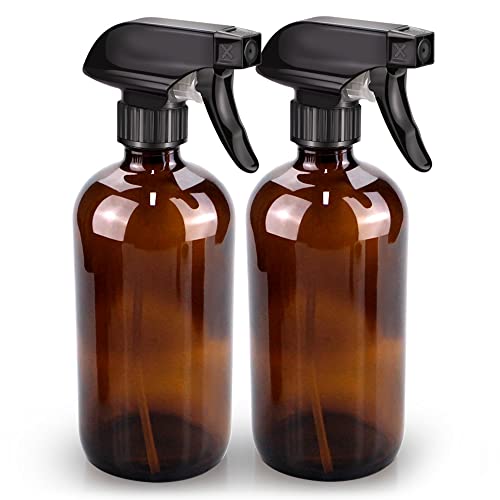
Bontip Glass Spray Bottle, Amber Bottle Set & Accessories for Non-toxic Window Cleaners Aromatherapy Facial Hydration Watering Flowers Hair Care (2 Pack/16oz) (Amber)
- Multifunctional - The spray bottles can be mixed essential oil recipes, cosmetic face moisturizer, hair moisturizing spray, homemade non-toxic window cleaners, floor or carpet cleaner, kitchen cleaner, natural air freshener, pet spray, ironing, linen spray, spraying plants and many more.
- Combo Pack - 2 Spray Bottles 16oz; 2 Black Trigger Nozzles; 2 Black Glass Lids; 1 Black Labels.
- Eco-Friendly - In addition to being easily recycled, the amber glass spray bottles protect the environment and reduce plastic chemicals in your house, the BPA-free materials keep your families safe from excess chemicals as well.
- UV Protection - Our bottles are dark brown to protect against degradation from ultraviolet light and keeps your essential oils safe plus the glass is not affected by strong oils like citrus.
- Reusable - Glass spray bottles with reusable design makes these Spray Bottles a superior alternative to pollutant plastic spray bottles and a great cash saving option.
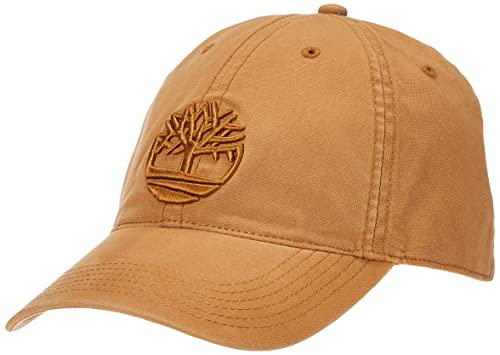
Timberland Men's Soundview Cotton Canvas Baseball Hat, Wheat, One Size
- TIMBERLAND HATS - Top off your casual style with one of Timberland’s classic baseball, trucker, or sport caps. Versatile and easy to pack, these hats are beach-ready, travel-ready, camping-ready, summer ready and city-ready: just choose where you're headed.
- PREMIUM MATERIAL - Made of 100% cotton. It is lightweight, breathable, soft and durable premium cotton canvas. Classic basic design.
- PERFECT FIT - Adjustable back closure and unstructured soft crown, designed not only in protecting from sunshine and wind but more suitable for outdoor activities. One size fits for most people.
- FEATURES - Timberland baseball caps will help you from outdoor sun rays and UV lights, and provides excellent full coverage for the face, neck, and other sensitive areas.
- OCCASIONS – Perfect for your daily life and all kinds of outdoor activities, you can wear it in your kayak or camping trip, great for running, hiking, biking, walking, garden work and daily wear, going out to work, and attending baseball games. It is also a Perfect gift for birthday, Father's Day, Valentine's day, Thanksgiving day, Christmas.
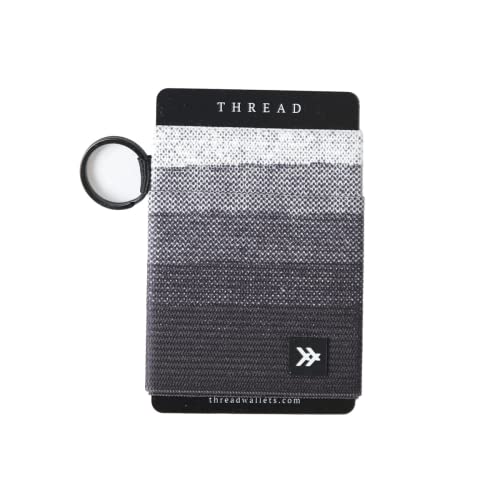
Thread Wallets Slim Minimalist Elastic Wallet for Men & Women | Small Credit Card Holder for Front Pocket (Bonsai, One Size)
- Minimalist's Dream: Our original Elastic Wallet is made to keep the essentials on hand. With its small size of just 2.2" wide and 2.75" tall, it’s never bulky and easily fits everywhere from your front pocket to your backpack.
- Convenient & Versatile: This slim cardholder comfortably holds 2-8 CARDS plus CASH, with two handy outer pockets for your most-used cash and cards. You can even attach the wallet to a lanyard or bag.
- High-quality: Designed to be both small and sturdy, the Elastic Wallet's tight-knit elastic keeps cards, ID, cash, and more safe and secure—no cards sliding out.
- Designed For Your Personality: We create stylish, original wallets for women and men. Our wallets are the opposite of bland—whatever your style is, make sure your wallet matches! Check out tons of colors and patterns that range from classic and simple to bold and fun. Shop Thread and find a lightweight wallet that you will LOVE.
- Patent: D782190

MEIPO Continuous Spray Bottle for Hair Reusable Beauty Spray Bottle Mist Sprayer For Clean Plant Styling Tools & Appliances (1Pcs Clear 10oz)
- 1. BUILT TO LAST: Excellent Quality. Go with the best and never again have to worry about finding a new mist spray bottle every few months.There maybe a little purified water in the spray bottle, cause some of the misting spray bottle are tested before to assure them work properly.
- 2.Since the spray bottle has not been used or has not been used for a long time, there is air in it. Before use, it needs to press several times to remove the air before the spray can be released. For continuous spray, it needs to press three times continuously to have a spray lasting for 2-3 seconds.
- 3.Green Plant Lovers: The perfect way to mist all your indoor and outdoor plants - from succulents, bonsai, cactus and more. Plants love it! The ideal gardening tool.
- 4. Use it Everywhere: Ideal for professional use, everyday hair and body care, self tanning, home cleaning, pet grooming, plant care, car care, arts & crafts and much more!
- 5. Capacity: 300 ML/ 10 OZ lightweight for traveling with. And the water hair spray bottle doesn't take up much space, so you can put it anywhere in your home or suitcase.
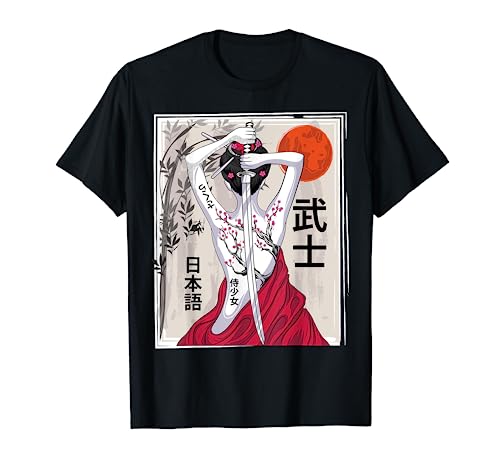
Japanese Samurai Culture Scenery Vintage Sakura Cherry T-Shirt
- Cute Japanese sakura bonsai cherry blossom girl for anyone who loves the Japanese culture.
- Awesome Kanji anime samurai girl with sakura cherry blossom tattoo.
- Lightweight, Classic fit, Double-needle sleeve and bottom hem

Funny Tshirt gag gift for someone who already has everything T-Shirt
- Looking for a gift for someone who already has everything? Grab this funny sarcastic tee to bring laughs when you give it! A great present for anyone in your life who you don't know how to shop for! Humorous shirt for someone who has it all.
- This tee is available in men, women, and children sizeS Great Tee for, grandpas, grandmas, mother in laws, father in laws, boyfriends, girlfriends, brother, sister, husband, wife for any occasions. Christmas, Birthday, Anniversary, Holiday Shopping
- Lightweight, Classic fit, Double-needle sleeve and bottom hem
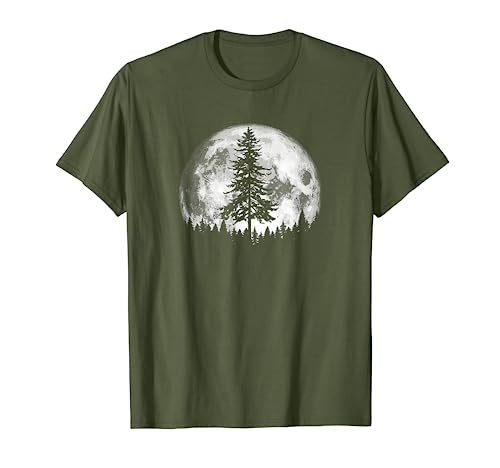
Retro Full Moon & Minimalist Pine Tree Vintage Graphic T-Shirt
- Sweet 80's sunset, forest and tree silhouette nature outdoors graphic.
- For any lover of hiking, camping, biking or rock climbing in national parks and the great outdoors. Great Christmas and birthday gift for those who love to get outside, travel and road trip!! Sweet minimalist hipster style
- Lightweight, Classic fit, Double-needle sleeve and bottom hem
Last update on 2022-01-29. Price and availability of products may change.